Better Sleep Is the Quiet Upgrade Most People Keep Ignoring
We treat sleep as the thing we cut when life gets busy — the negotiable hours, the buffer we raid to make room for work, screens, or one more episode. It is a s...

Community Author · July 9, 2026
We treat sleep as the thing we cut when life gets busy — the negotiable hours, the buffer we raid to make room for work, screens, or one more episode. It is a strange bargain, because almost nothing else we could change would improve our days as much. Better sleep sharpens focus, steadies mood, strengthens the body, and quietly amplifies everything else we try to do. Yet it remains the most overlooked upgrade available to nearly everyone, precisely because it costs nothing and cannot be bought. Understanding how sleep actually works, and how little it takes to improve it, is one of the highest-return pieces of knowledge a person can have.
Sleep is active, not idle
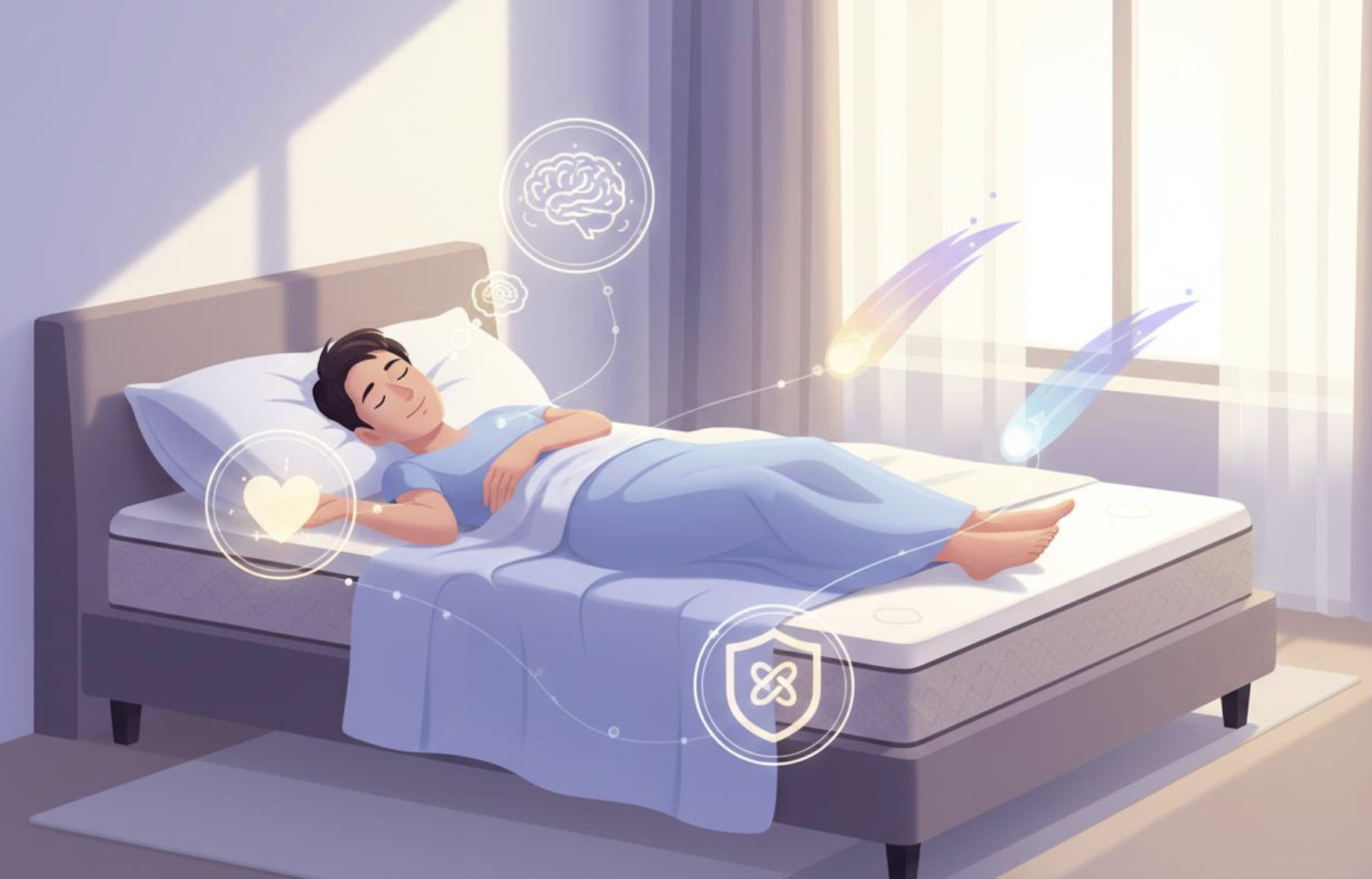
The first misconception to clear away is that sleep is a period of doing nothing — a shutdown before the day restarts. Nothing could be further from the truth. Sleep is one of the most active and important processes the body undertakes. While we are unconscious, the brain consolidates memories, clears metabolic waste, and reorganises what we learned during the day. The body repairs tissue, regulates hormones, and resets systems that govern everything from appetite to immunity.
This reframing matters because it changes how we value the hours. When you understand that sleep is when learning is cemented, when the body heals, and when the brain quite literally cleans itself, cutting it stops looking like a clever way to gain time and starts looking like what it is — borrowing against the very faculties you need the next day. The tiredness that follows a short night is not merely a feeling to push through; it is the visible surface of processes that did not get to finish. Sleep is not the absence of activity. It is some of the most essential activity there is.
The two forces that govern when you sleep
Understanding sleep practically means understanding the two systems that control it. The first is sleep pressure, which builds steadily the longer you are awake, driven by a chemical that accumulates in the brain through the day and is cleared during sleep. The longer since you last slept, the greater the pressure, and the sleepier you feel. The second is the circadian rhythm, the roughly twenty-four-hour internal clock that tells your body when it should be awake and when it should wind down, largely by regulating the timing of hormones like melatonin.
Good sleep happens when these two forces align — when sleep pressure is high and your internal clock is signalling night. Most sleep problems, in turn, come from these systems being out of sync: going to bed before enough pressure has built, or trying to sleep when the internal clock still thinks it is day. This is why the two most powerful levers for better sleep are the ones that keep these systems aligned, and why they are more effective than any supplement or gadget. Work with the two forces, and sleep tends to follow; fight them, and no amount of effort in bed will help.
Consistency beats almost everything
If there is a single most effective habit for better sleep, it is a consistent schedule. Going to bed and waking up at roughly the same times every day — including weekends — is the most powerful thing most people can do, because it strengthens and stabilises the circadian rhythm. A clock that receives the same signals daily runs reliably, releasing the hormones that make you sleepy and alert at predictable times, so that falling asleep and waking become easier and more automatic.
The common pattern of short weekday nights followed by long weekend lie-ins undermines exactly this. It is the equivalent of flying across time zones every week, dragging the internal clock back and forth so that it never settles, which is why Monday mornings feel like jet lag. The fix is unglamorous but genuinely transformative: pick sleep and wake times you can sustain seven days a week, and hold to them even when it is tempting not to. Consistency does more for sleep quality than almost any other single change, and it costs nothing but the discipline to keep it.
Light is the master signal
The circadian clock takes its cues from the world, and the strongest cue by far is light. Bright light, especially daylight, tells the body it is day and suppresses the hormones of sleep; darkness tells it night is coming and allows those hormones to rise. This makes light exposure the most powerful tool available for setting the internal clock — and, when mishandled, one of the most common causes of poor sleep.
Two practical habits follow directly. Getting bright light, ideally natural daylight, early in the day anchors the clock and strengthens the day-night contrast that healthy sleep depends on. In the evening, reducing bright light — particularly the light from screens held close to the face — lets the body's night signals rise on schedule rather than being suppressed. The modern problem is precisely that we have inverted the natural pattern, spending days in dim indoor light and nights bathed in bright screens, which blurs the very contrast the clock needs. Restoring that contrast — brighter days, dimmer evenings — is one of the most effective and underrated sleep improvements available.
The habits that quietly sabotage rest
Beyond light and consistency, a handful of ordinary habits erode sleep in ways people rarely connect to their tiredness. Caffeine is the most underestimated: it lingers in the body for many hours, so a mid-afternoon coffee can still be undermining sleep at night, even for people who believe it does not affect them. Alcohol is the reverse trap — it may help you fall asleep but fragments the deeper, restorative stages later in the night, which is why sleep after drinking feels unrefreshing.
The environment matters too, more than most assume. A bedroom that is cool, dark, and quiet supports sleep, because the body's core temperature naturally drops as it prepares for rest, and light or noise interrupts the process. Perhaps the most modern saboteur is the pattern of lying in bed scrolling a phone, which floods the eyes with light and the mind with stimulation at exactly the moment both should be winding down. None of these is dramatic in isolation, but together they explain a great deal of poor sleep — and each is entirely within a person's control to change.
Small changes, outsized returns
The encouraging truth about sleep is that improving it rarely requires anything drastic. Because the whole system responds to a few powerful levers — consistency, light, and the removal of a handful of saboteurs — small, sustainable changes tend to produce outsized returns. Anchoring your wake time, getting daylight in the morning, dimming the evening, moving caffeine earlier, and keeping the phone out of the bed are modest adjustments, yet together they can transform how rested a person feels.
This is why sleep is such an overlooked upgrade. It asks for no money and no equipment, only attention to a few fundamentals that most of us were never taught. And because sleep amplifies everything else — concentration, mood, patience, physical health, the ability to learn and to cope — improving it improves the raw material of every other part of life. The person who sleeps well is not merely better rested; they are better equipped for everything they do while awake. In a culture forever chasing optimisation through purchases and hacks, the most powerful improvement available is the one we keep choosing to skip.
Conclusion
Sleep is not the idle hours we can safely trim; it is an active, essential process that consolidates memory, repairs the body, and underwrites our functioning while awake. It is governed by two systems — sleep pressure and the circadian clock — and the most effective way to improve it is to keep those systems aligned through consistency and light, while removing the ordinary habits that quietly sabotage rest. None of this demands much, which is exactly why it is so widely ignored. Better sleep remains the quiet upgrade hiding in plain sight, available to almost everyone, requiring only the decision to stop treating rest as the first thing to sacrifice and start treating it as the foundation it actually is.