Why Audiences Are Getting Tired of Perfect Streaming Shows
For more than a decade, streaming platforms have operated under the assumption that audiences primarily want efficiency. Faster pacing, cleaner storytelling, co...

Community Author · May 16, 2026
For more than a decade, streaming platforms have operated under the assumption that audiences primarily want efficiency. Faster pacing, cleaner storytelling, constant cliffhangers and algorithmically optimized narratives became the dominant language of modern entertainment. Every episode needed to retain attention. Every scene needed momentum. Every season needed to encourage binge watching.
At first, the strategy worked brilliantly.
Platforms like Netflix, HBO and Disney+ fundamentally changed viewing behavior around the world. Audiences embraced serialized storytelling on an unprecedented scale, while studios redirected billions of dollars toward streaming-first productions.
But something more complicated is beginning to happen inside modern entertainment culture.
Viewers are slowly becoming exhausted by perfection.
Not technical perfection. Emotional perfection.
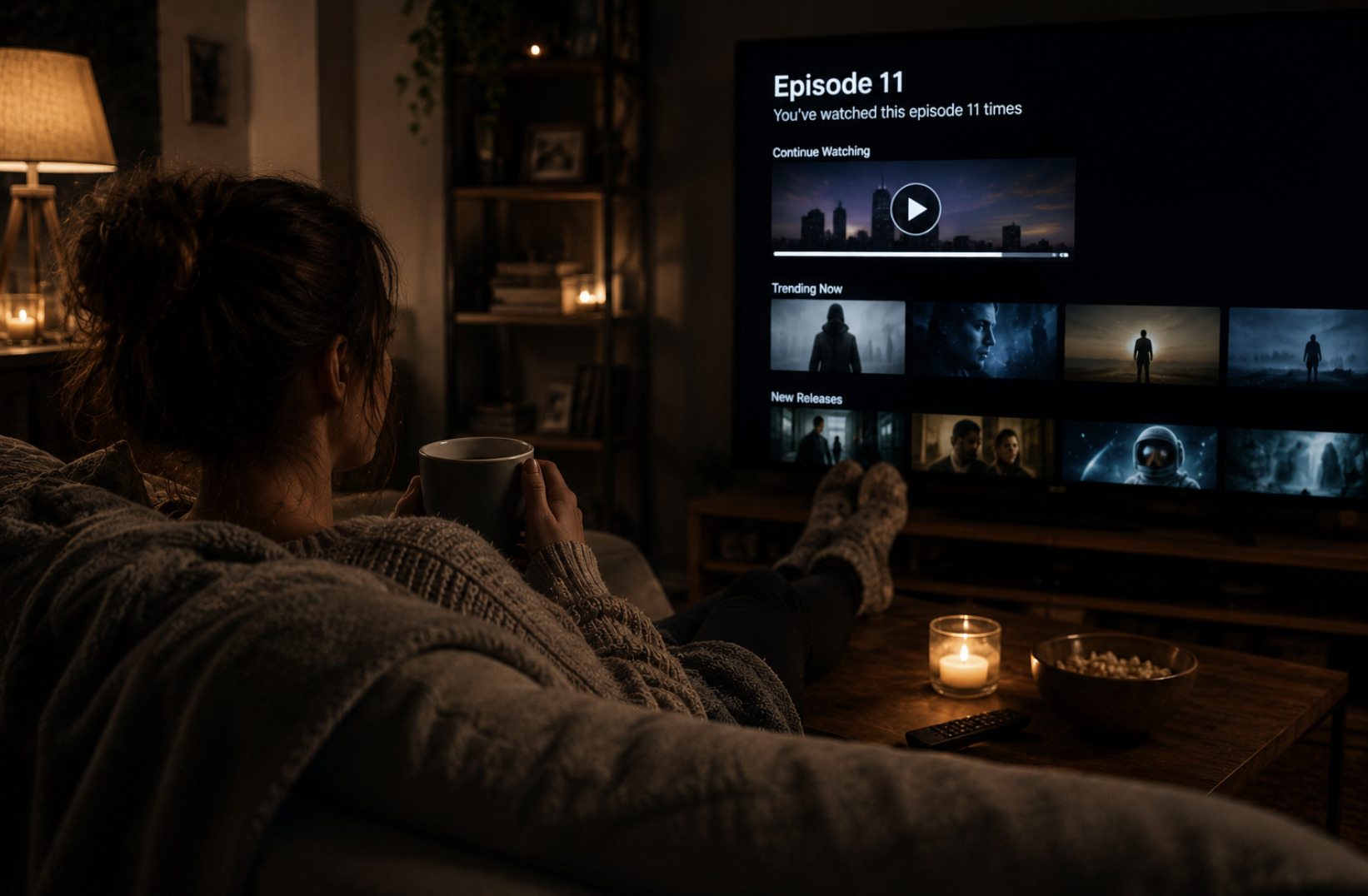
Many modern streaming series feel professionally constructed, visually expensive and structurally optimized — yet strangely forgettable only weeks after release. People finish entire seasons in a weekend and barely remember specific scenes a month later. The problem is no longer quality in the traditional sense. The problem is emotional texture.
The streaming era created an environment where entertainment became smoother, faster and more efficient than ever before. At the same time, many audiences now feel that something human disappeared in the process.
Streaming Platforms Changed How Stories Are Written
One of the biggest transformations caused by streaming culture involves pacing itself.
Traditional television once allowed episodes to breathe. Characters could exist inside slower scenes that revealed personality through silence, awkwardness or everyday behavior. Modern streaming platforms increasingly avoid those moments because algorithms reward constant engagement.
As a result, many shows now move with almost mechanical efficiency.
Dialogue becomes hyper-functional.
Scenes become shorter.
Character flaws become carefully calibrated.
Every episode pushes aggressively toward the next.
This creates content that is highly consumable but often emotionally thin.
Ironically, the more optimized entertainment becomes, the less personal it sometimes feels.
Audiences increasingly describe modern streaming series using similar language:
polished,
addictive,
cinematic,
expensive,
and instantly disposable.
That contradiction defines much of the current entertainment landscape.
The Algorithm Is Quietly Influencing Creativity
Streaming platforms rarely discuss algorithms publicly in creative terms, yet recommendation systems increasingly shape the structure of modern storytelling.
Shows are now developed with retention behavior in mind:
episode endings designed for autoplay,
emotional spikes every few minutes,
instantly recognizable visual palettes,
simplified exposition,
and narratives engineered to reduce viewer drop-off.
This does not necessarily produce “bad” television. In many cases, it produces technically excellent entertainment.
The issue is subtler.
Algorithmic storytelling often removes friction, ambiguity and emotional irregularity — the exact elements that historically made cinema and television feel deeply human.
Older films and television series frequently contained scenes that seemed unnecessary from a purely efficiency-based perspective. Characters wandered emotionally. Conversations existed without immediate narrative payoff. Atmosphere mattered as much as plot progression.
Modern streaming ecosystems often compress those moments out of existence.
Why Viewers Miss Imperfection
Interestingly, audiences are beginning to respond more strongly to entertainment that feels less engineered.
Shows with unusual pacing, emotionally awkward dialogue or visually imperfect atmospheres increasingly generate stronger long-term attachment than perfectly optimized streaming content.
This partly explains why certain series develop cult audiences despite lower budgets or slower narratives. People are craving texture again.
Texture means:
unpredictability,
silence,
emotional discomfort,
visual individuality,
strange pacing,
and scenes that exist simply because they create feeling rather than momentum.
Many modern streaming productions are so focused on continuous engagement that they accidentally erase the emotional residue that makes stories memorable.
Viewers may binge an entire season quickly, but nothing remains afterward.
Binge Watching Changed Emotional Memory
The binge model itself also affects how audiences emotionally process stories.
Traditional television created anticipation through weekly structure. Viewers discussed episodes, speculated between releases and built emotional relationships with characters over longer periods of time.
Streaming compressed that experience dramatically.
Today entire seasons appear instantly, get consumed rapidly and disappear into the next algorithmic recommendation cycle almost immediately afterward.
This changes memory formation.
Psychologically, people tend to remember experiences more strongly when anticipation, waiting and reflection are involved. Constant consumption weakens those emotional anchors.
That is one reason many older television series remain culturally vivid decades later, while some enormously expensive streaming productions fade from conversation within weeks despite massive marketing campaigns.
The issue is not necessarily storytelling quality.
It is emotional pacing.
Visual Perfection Is Becoming Emotionally Neutral
Another interesting shift involves cinematography itself.
Streaming platforms helped standardize a particular visual style:
dark cinematic lighting,
muted color grading,
shallow depth of field,
hyper-clean digital imagery,
and expensive but emotionally safe composition.
At first this aesthetic felt premium.
Now it increasingly feels interchangeable.
Many shows across different genres begin to resemble one another visually because platforms optimize for broad international audiences and multi-device viewing. As a result, visual experimentation often becomes secondary to consistency.
The consequence is subtle but important:
audiences stop associating visual identity with emotional identity.
Older cinema movements frequently carried strong visual signatures tied directly to emotion and cultural atmosphere. Many streaming productions instead pursue visual smoothness above all else.
The image becomes optimized rather than expressive.
Audiences Want Atmosphere Again
One of the clearest modern entertainment trends is the return of atmosphere-driven storytelling.
People increasingly seek films and shows that create emotional worlds rather than simply efficient narratives. This explains the growing popularity of:
slow psychological dramas,
visually textured science fiction,
intimate character studies,
and cinema that prioritizes mood over constant plot acceleration.
Younger audiences especially are becoming surprisingly receptive to slower storytelling when it feels emotionally authentic.
Platforms spent years assuming attention spans were collapsing permanently. The reality may be more complicated. Audiences are not necessarily incapable of focus. They are exhausted by emotional uniformity.
When entertainment feels too optimized, viewers instinctively search for work that feels riskier, stranger and more human.
Streaming Fatigue Is Becoming Real
The entertainment industry is also confronting a broader cultural issue: streaming fatigue.
For years, platforms competed primarily through quantity. More content meant more subscriptions. But audiences now live inside an environment of permanent entertainment abundance.
Every week introduces:
new series,
new films,
new reboots,
new documentaries,
new franchises,
and endless recommendations.
Instead of excitement, many viewers now experience low-level exhaustion.
The modern streaming interface itself often feels psychologically overwhelming. Endless choice reduces emotional investment because every story competes against infinite alternatives waiting immediately afterward.
Ironically, abundance decreases attachment.
The Future of Entertainment May Become More Human Again
The next era of film and television will likely not abandon streaming technology. The infrastructure itself is too powerful and too deeply integrated into modern life.
But storytelling may gradually move away from excessive optimization.
Creators are increasingly recognizing that emotional imperfection often produces stronger audience connection than algorithmic efficiency. Atmosphere, silence, visual individuality and psychological depth may become more valuable precisely because modern entertainment ecosystems optimized them away for so long.
The future will probably belong to stories that remember something streaming culture temporarily forgot:
people do not emotionally attach to perfection.