
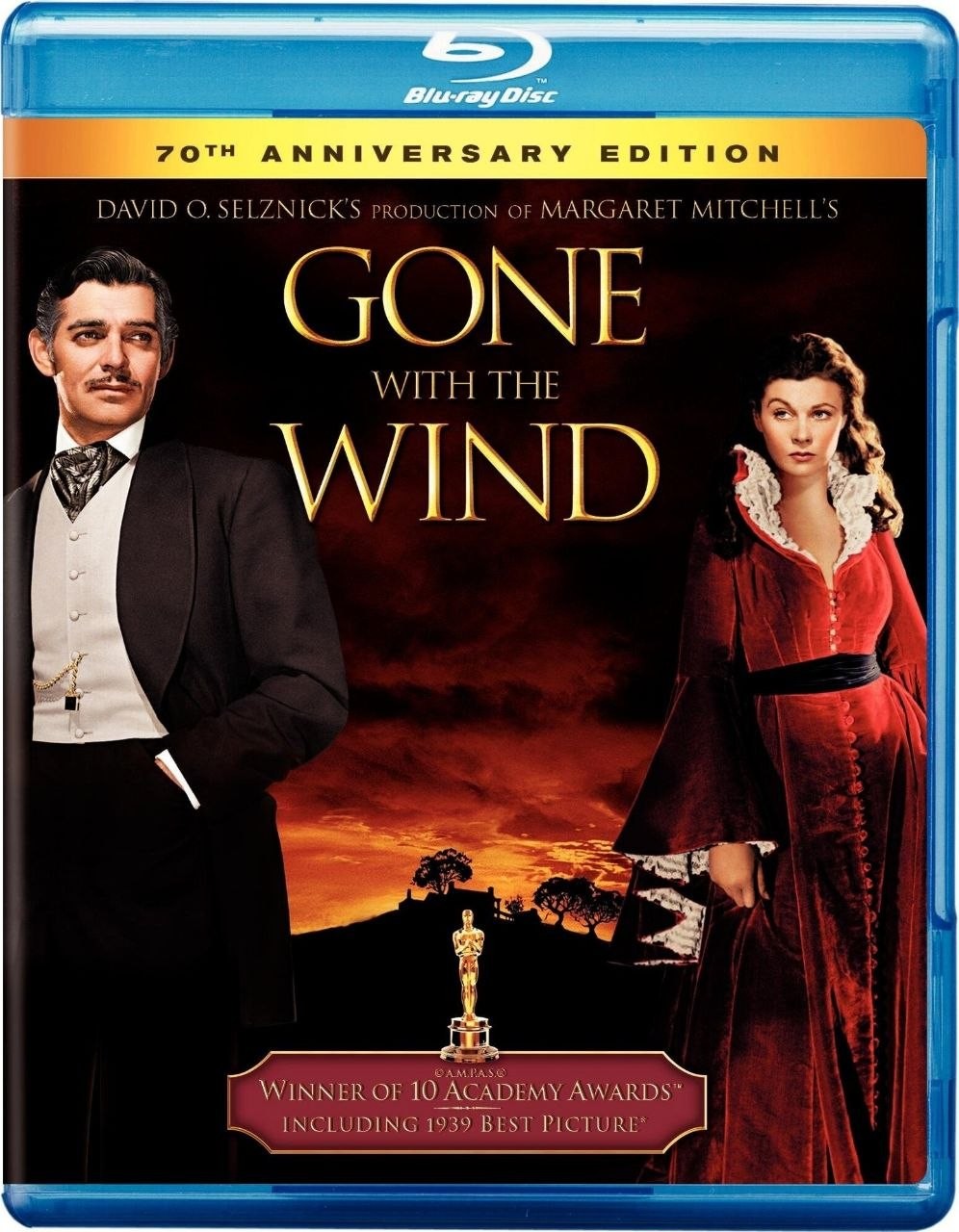
“Gone with the Wind” — Why It Remains a Cultural Icon
Gone with the Wind is one of those rare works that transcends its time to become something bigger than just a novel or a film. It’s a cultural myth—an enduring ...

Community Author · April 28, 2026
Gone with the Wind is one of those rare works that transcends its time to become something bigger than just a novel or a film. It’s a cultural myth—an enduring symbol of American and global storytelling. But what exactly makes it so iconic?
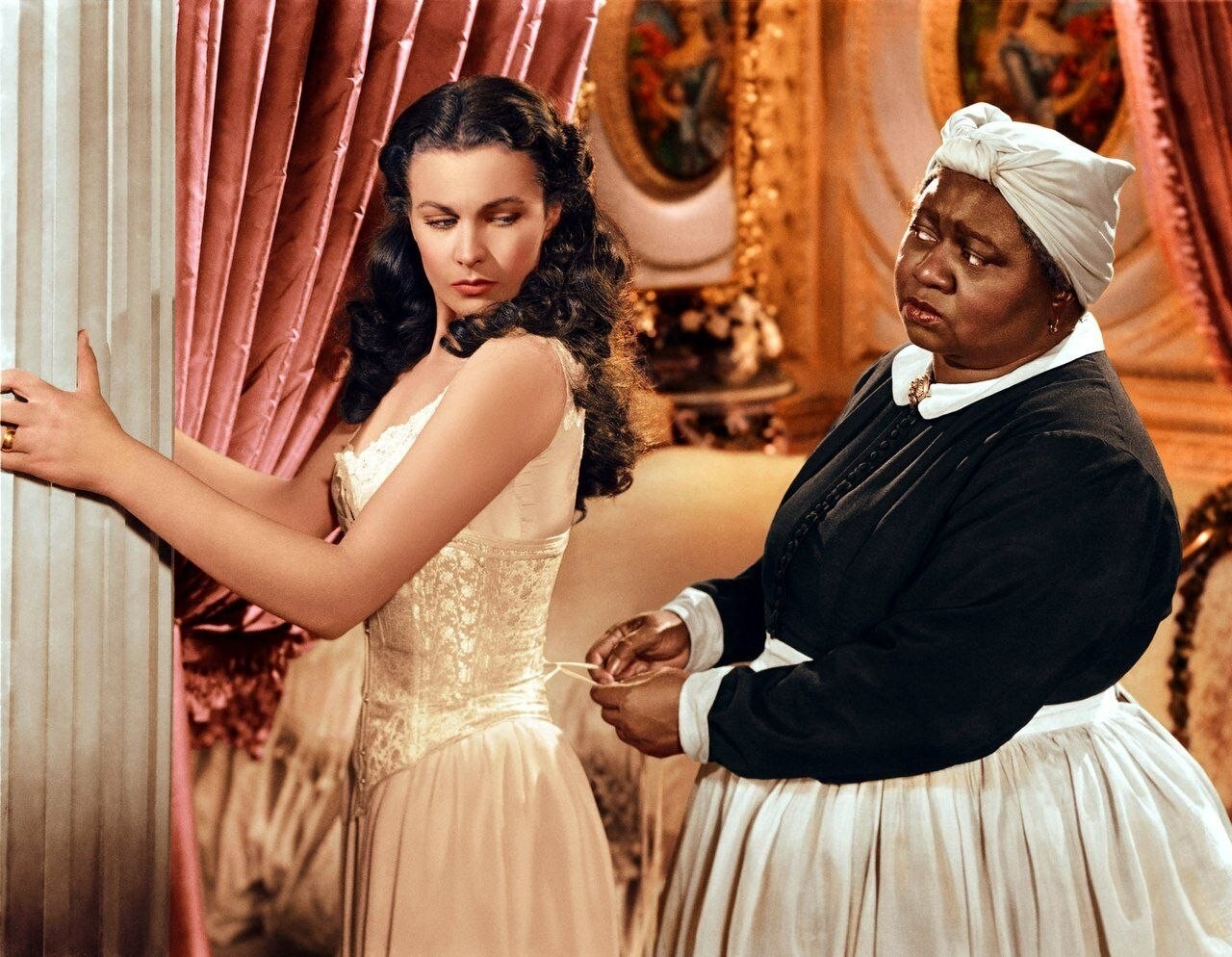
Released in 1939 in the United States, the film blends melodrama, historical drama, romance, and even elements of the Western. It was directed primarily by Victor Fleming, with contributions from George Cukor and Sam Wood. The screenplay was based on the novel by Margaret Mitchell. The legendary cast includes Vivien Leigh, Clark Gable, Leslie Howard, Olivia de Havilland, and Hattie McDaniel.
A Story Bigger Than Its Parts
Individually, neither the book nor the film may be “the greatest” ever made. But together—especially considering the global influence of American culture—they form something much larger: a mythological narrative embedded in collective memory.
At its core, the story follows Scarlett O’Hara, a young Southern aristocrat, and her journey through love, war, loss, and survival during the American Civil War. Despite the prominence of Rhett Butler, the true center of the story is Scarlett herself—her growth, her resilience, and her refusal to break.
She begins life in comfort, almost like paradise. But history intervenes. War strips everything away, forcing her to endure hardship, hunger, and emotional devastation. What makes Scarlett compelling is not that she wins—but that she survives. Her story becomes a powerful symbol of female strength and early 20th-century emancipation, long before such ideas became mainstream.
A Timeless Message
Beyond its romantic plot, Gone with the Wind speaks to something deeper: the resilience of the human spirit. It’s a story about faith, hope, and love—values that echo biblical and universal themes.
It suggests that a person rooted in their land, their beliefs, and their love cannot truly be defeated. As long as these remain, there is always a tomorrow.
One of the film’s greatest strengths lies in its unforgettable characters and relationships. The emotional “quadrangle” between Ashley, Melanie, Scarlett, and Rhett creates a layered exploration of love—noble, unrequited, passionate, and destructive.
Interestingly, these dynamics echo classic literary archetypes. There are clear parallels to Leo Tolstoy’s characters in War and Peace: Natasha, Andrei, Pierre, and Hélène. This connection highlights the film’s deep roots in European literary tradition.
Archetypes and Cultural Echoes
Scarlett O’Hara is more than just a character—she’s an archetype. She reflects timeless figures from across European culture:
Like Dorothy from The Wonderful Wizard of Oz, she is swept into a transformed world.
Like Cinderella, she struggles through hardship in search of identity and love.
Like Alice from Alice's Adventures in Wonderland, she falls into a strange, often chaotic reality.
And even like Joan of Arc, she becomes a fighter for her land and survival.
These parallels elevate her story into something universal and timeless.
Why It Worked (Despite Its Flaws)
Let’s be honest—cinematically, the film is not perfect. Even with its ten Academy Awards (including a historic win for Hattie McDaniel), it has been criticized for its length, sentimentality, and uneven pacing.
Director Victor Fleming, despite also working on The Wizard of Oz, is sometimes seen as more of a “studio craftsman” than a visionary auteur. Compared to contemporaries like William Wyler or Howard Hawks, his direction here can feel overly romanticized and simplistic.
So why did it succeed?
Four key reasons:
Powerful Characters & Performances – The cast brought emotional depth that transcended the script.
Visual Innovation – Early and effective use of Technicolor gave the film a striking visual identity.
A Deeply Personal Story – Margaret Mitchell drew from her own family history, grounding the narrative in real emotion and memory.
Literary Foundations – The story is built upon a vast tradition of European and American literature—from Dickens and Austen to Balzac and Tolstoy.
Mitchell’s work doesn’t just look backward—it also anticipates future literary giants like William Faulkner and John Steinbeck. It stands at a crossroads between classical storytelling and modern narrative realism.
In cinema, its influence can be felt in epic storytelling traditions worldwide—from European auteurs to Japanese masters.
I wouldn’t call myself a devoted fan of Gone with the Wind, but its cultural significance is undeniable. It’s a film—and a novel—that everyone should experience at least once.
Not because it’s perfect, but because it represents something larger: a fusion of history, myth, literature, and emotion.