Why Quiet Luxury Became the Dominant Fashion Mood Online
For years internet fashion culture was dominated by visibility. Logos grew larger, streetwear collaborations became louder and social media rewarded outfits des...

Community Author · May 21, 2026
For years internet fashion culture was dominated by visibility. Logos grew larger, streetwear collaborations became louder and social media rewarded outfits designed to attract immediate attention inside endlessly scrolling feeds. Fashion during the late 2010s often operated like digital performance — highly recognizable, algorithmically optimized and built for fast visual impact.
Then something shifted.
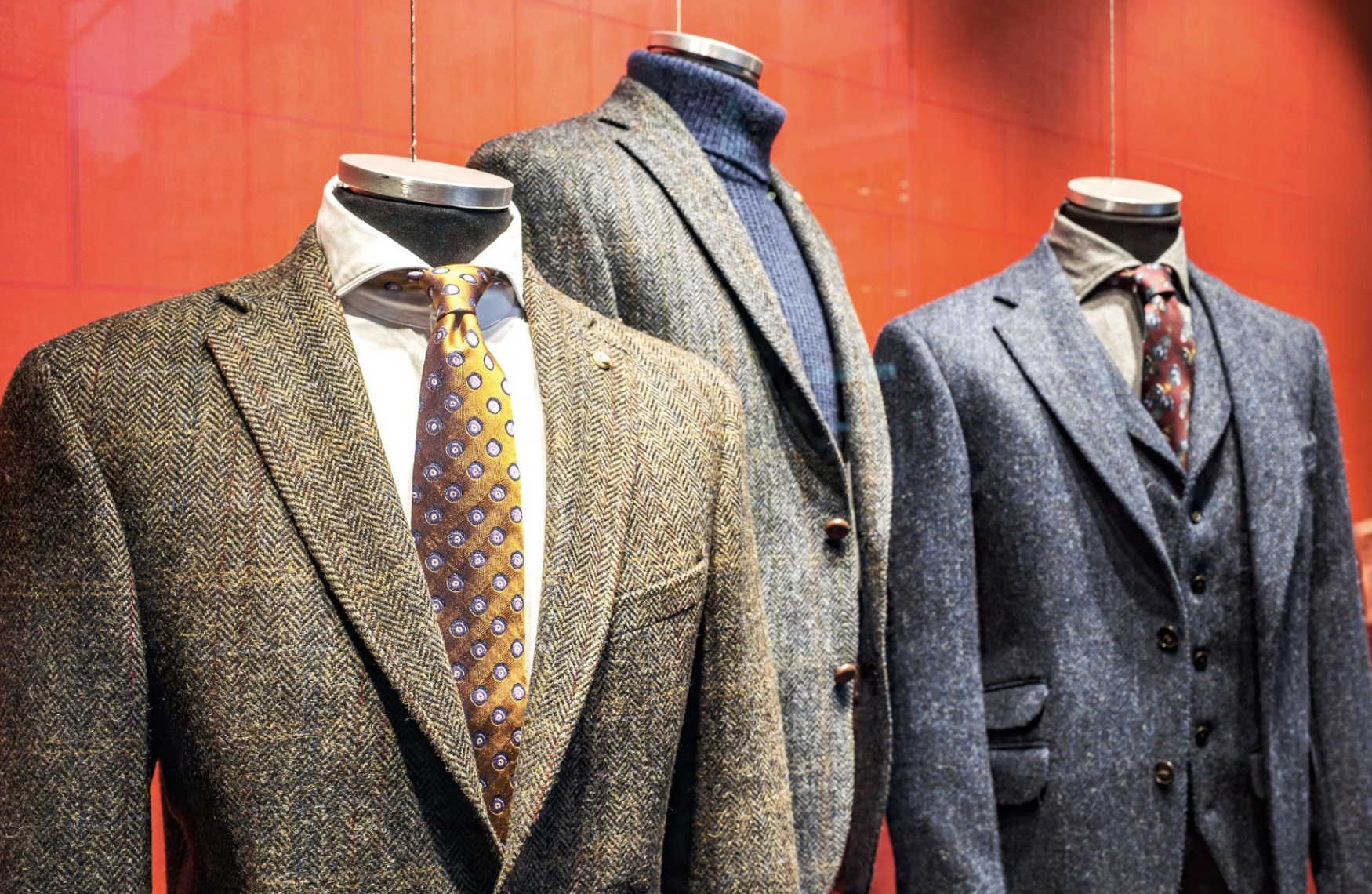
Over the last few years a completely different aesthetic began quietly taking control of online fashion culture. Neutral tones replaced aggressive branding. Tailoring returned. Expensive clothing started looking intentionally understated. Luxury stopped trying to announce itself instantly.
The internet named this transformation “quiet luxury.”
At first the trend appeared to be another temporary aesthetic cycle driven by TikTok, celebrity wardrobes and old-money fantasy imagery. But the rapid growth of quiet luxury reveals something much deeper happening inside digital culture itself. The movement reflects exhaustion with hyper-visible internet identity and growing psychological fatigue caused by constant online performance.
Quiet luxury is not simply a fashion trend.
It is a reaction to the emotional atmosphere of the modern internet.
The Internet Made Fashion Faster Than Ever
Social media dramatically accelerated fashion cycles.
Platforms like Instagram and TikTok transformed clothing into continuous visual content. Outfits became part of algorithmic identity systems where people constantly communicated personality, status and taste through rapidly changing aesthetics.
This created enormous pressure to remain visually current.
Trends no longer lasted years.
Sometimes they barely lasted months.
Microtrends emerged and disappeared at impossible speed:
Y2K revival,
gorpcore,
coastal grandmother,
clean girl aesthetic,
blokecore,
balletcore,
mob wife aesthetic.
Fashion became deeply entangled with internet attention cycles.
The faster these cycles moved, the more emotionally exhausting they became.
Many people eventually realized they were not dressing for personal identity anymore. They were dressing for digital recognition.
Quiet Luxury Rejects Algorithmic Dressing
One reason quiet luxury spread so aggressively online is that it appears to reject performance itself.
The aesthetic prioritizes:
neutral palettes,
subtle tailoring,
natural fabrics,
minimal visible branding,
timeless silhouettes,
and visual restraint.
In a digital environment dominated by overstimulation, restraint suddenly began to feel powerful.
The popularity of shows like Succession accelerated this perception. Wealthy characters dressed in clothing that appeared intentionally understated rather than obviously expensive. Viewers became fascinated by the idea of status communicated through invisibility instead of logos.
This represented a major cultural shift.
For years internet fashion rewarded immediate recognizability. Quiet luxury instead rewarded insider awareness. The aesthetic created exclusivity through subtlety.
Ironically, the quieter fashion became, the louder its cultural influence grew.
People Are Tired of Looking Like Content
The psychological dimension of quiet luxury is impossible to ignore.
Modern internet culture encourages individuals to constantly transform themselves into consumable visual identities. People curate apartments, meals, relationships, routines and clothing through the logic of online presentation.
Eventually this produces fatigue.
Quiet luxury appeals to many people because it promises escape from hyper-performance. The aesthetic suggests calm, stability and emotional control inside a culture increasingly dominated by visual chaos.
Soft knitwear, oversized coats, clean tailoring and muted tones communicate something deeper than wealth:
they communicate absence of urgency.
That feeling has become aspirational.
Especially after years of digital overstimulation, many users now associate loud visual branding with emotional exhaustion rather than status.
Fashion Is Becoming More Psychological
One of the most important transformations happening inside fashion culture is the growing connection between clothing and emotional atmosphere.
People increasingly choose aesthetics based not only on appearance but on how they want their lives to feel psychologically.
Quiet luxury reflects several emotional desires simultaneously:
stability,
privacy,
calmness,
maturity,
control,
and distance from internet noise.
This partly explains why the trend became especially popular among young professionals and digital workers whose daily lives already involve continuous online exposure.
After spending entire days inside algorithmic environments, many people no longer want clothing that demands even more attention psychologically.
They want visual silence.
Social Media Helped Quiet Luxury Spread Everywhere
Paradoxically, the internet itself accelerated the spread of anti-performative fashion.
TikTok creators began analyzing:
cashmere textures,
tailoring cuts,
understated handbags,
luxury fabrics,
and “stealth wealth” aesthetics.
Platforms filled with videos explaining how wealthy people supposedly avoid obvious branding. Fashion influencers shifted from maximalism toward minimal interiors, muted outfits and carefully controlled palettes.
The result was fascinating:
quiet luxury became massively visible while pretending not to seek visibility.
This contradiction reveals something important about modern aesthetics. Even anti-performance eventually becomes performance once filtered through social media systems.
Still, the emotional appeal remained strong because the aesthetic tapped into genuine psychological fatigue surrounding digital life.
Luxury Brands Are Responding to Cultural Exhaustion
Fashion houses quickly recognized this shift.
Brands increasingly emphasized:
craftsmanship,
material quality,
heritage,
tailoring,
and timelessness rather than aggressive logo placement.
Companies like Loro Piana, The Row and Brunello Cucinelli became central reference points inside online fashion discussions because they represented luxury without overt spectacle.
Even traditionally louder brands began softening visual identity in response to changing consumer psychology.
The market increasingly values atmosphere over visibility.
Consumers no longer want products that simply appear expensive. They want products that create emotional narratives around:
ease,
slowness,
intelligence,
and understated confidence.
Quiet Luxury Reflects Economic Anxiety Too
There is also an important economic dimension behind the trend.
After years of financial instability, housing pressure and economic uncertainty, openly performative luxury became psychologically complicated for many audiences. Excessive displays of wealth increasingly feel disconnected from social reality.
Quiet luxury allows aspiration without overt spectacle.
It creates a fantasy of stability rather than explosive consumption.
This distinction matters culturally because modern audiences often respond more positively to controlled sophistication than obvious excess. The aesthetic feels emotionally safer and socially smoother inside unstable economic environments.
The Future of Fashion Will Be More Emotional
Fashion trends will continue evolving, and quiet luxury itself will eventually transform into new aesthetics. But the deeper shift behind its popularity is likely permanent.
Digital culture is becoming emotionally exhausting.
People increasingly crave calm visual environments.
And clothing is becoming one of the ways individuals regulate psychological atmosphere in everyday life.
The future of fashion will probably become less focused on shock value and more connected to emotional identity:
how people want to feel,
not simply how they want to appear.
Quiet luxury became dominant not because people suddenly stopped caring about fashion.
But because they started caring more about emotional peace than visual noise.