
Why Online Games Are Replacing Traditional Social Spaces
For decades video games were treated primarily as entertainment products. People played to compete, escape boredom or experience fictional worlds impossible in ...
Community Author · May 12, 2026
For decades video games were treated primarily as entertainment products. People played to compete, escape boredom or experience fictional worlds impossible in everyday life. Today, however, online gaming has evolved into something much larger and far more socially important.
Modern multiplayer games are no longer just games.
They are becoming digital environments where millions of people spend significant portions of their emotional and social lives.
Friendships begin inside online matches. Relationships develop through voice chat. Communities organize around virtual economies, livestream culture and persistent online identities. Some players now spend more time interacting socially inside gaming ecosystems than they do in physical public spaces.
This transformation is one of the most important cultural shifts happening on the internet, yet it is still frequently misunderstood by people who continue viewing gaming only through the lens of entertainment.
The reality is much bigger.
Online games are increasingly replacing traditional social infrastructure for an entire generation raised inside digital environments.
The Internet Stopped Feeling Social
One of the biggest paradoxes of modern technology is that the internet became less emotionally social at the exact moment it became more connected technically.
Early internet culture often revolved around forums, niche communities and slower interactions that allowed people to build recognizable identities over time. Modern social media platforms gradually transformed those interactions into algorithmic performance systems focused on visibility, engagement metrics and personal branding.
Many users now describe mainstream social platforms as emotionally exhausting rather than socially fulfilling.
Feeds move too quickly.
Conversations feel temporary.
Algorithms prioritize outrage and stimulation.
Everyone performs continuously for invisible audiences.
Online games evolved differently.
Gaming spaces still allow people to spend time together without requiring constant self-presentation. Players interact through shared activity rather than endless personal broadcasting.
This difference matters psychologically.
Games Create Shared Experience Instead of Passive Consumption
Traditional social media is largely based on observation. Users scroll through images, reactions, opinions and carefully curated fragments of other people’s lives. Gaming environments operate through participation instead.
People solve problems together.
Compete together.
Lose together.
Build worlds together.
Even silence inside games often feels more socially meaningful than interaction on many mainstream platforms because players share presence rather than simply exchanging content.
This helps explain why online multiplayer environments increasingly function as emotional gathering spaces.
Games like Fortnite, Minecraft, Roblox and Final Fantasy XIV are not successful only because of gameplay systems. They succeed because they create persistent social ecosystems where identity and community continue existing beyond individual matches or objectives.
People return not just for mechanics.
They return for atmosphere and belonging.
Digital Third Places Are Disappearing in Real Life
Sociologists have long used the phrase “third place” to describe environments outside home and work where people naturally socialize. Cafés, parks, libraries, bars and community centers historically served this role.
Many of those spaces are becoming less accessible.
Urban life grows more expensive.
Remote work changes daily routines.
People move frequently.
Physical communities weaken.
And younger generations increasingly struggle with social fragmentation.
Online games are quietly filling part of that vacuum.
For many players, logging into a multiplayer game now functions psychologically the same way previous generations visited neighborhood gathering spaces. Friends are already there. Conversations continue across weeks or years. Familiar rituals develop naturally.
The environment becomes emotionally inhabited.
This is one reason gaming culture expanded so aggressively during and after the pandemic. Large numbers of people discovered that online worlds could provide forms of social continuity unavailable elsewhere.
Voice Chat Changed Online Relationships Forever
One of the most underestimated technological shifts in gaming culture was the normalization of constant voice communication.
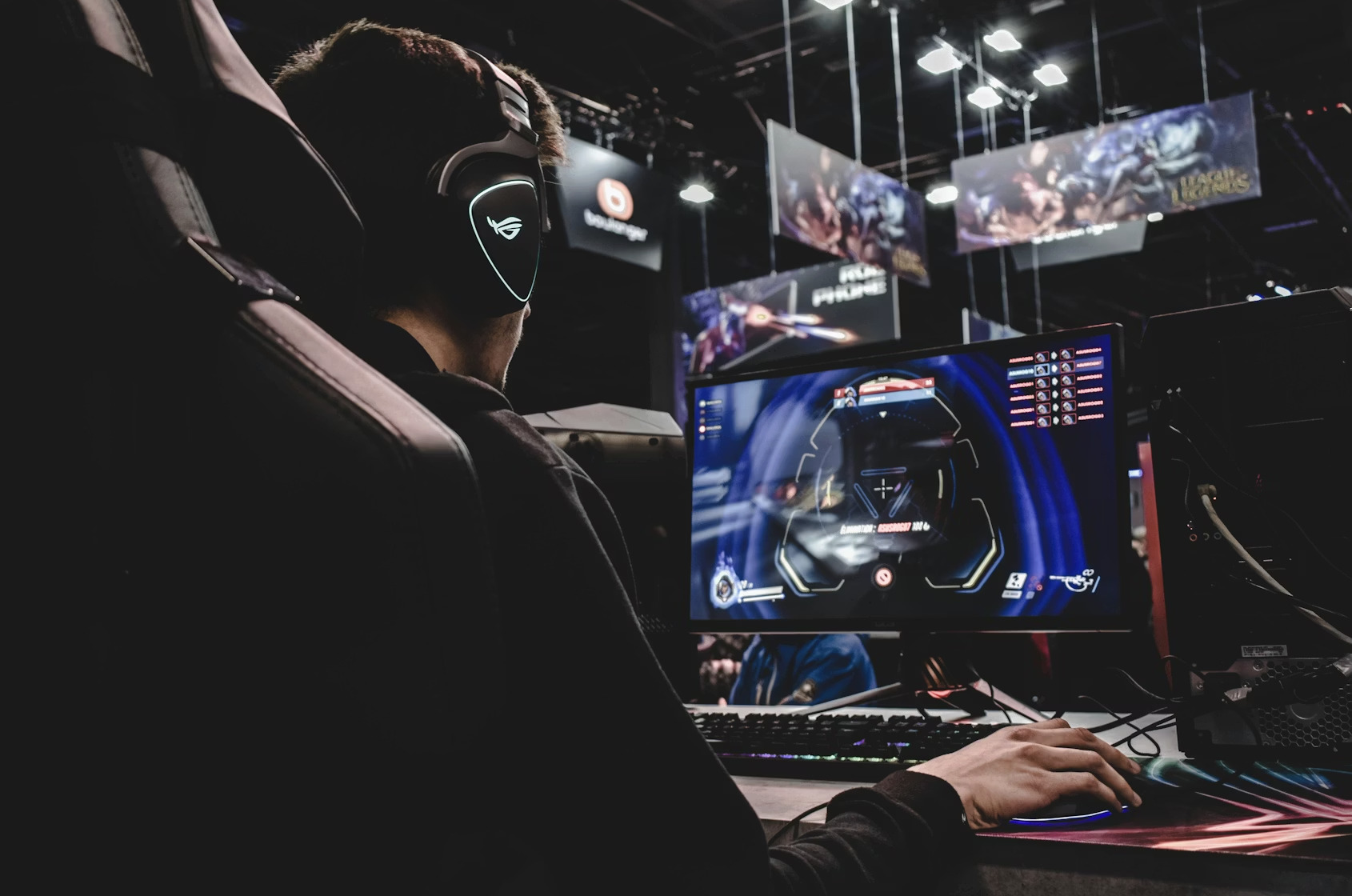
Voice chat transformed multiplayer games from competitive systems into social environments.
Players now spend hours talking while:
farming resources,
exploring maps,
completing repetitive tasks,
or simply remaining online together without intense gameplay.
In many cases, the game itself becomes secondary to conversation.
This dynamic resembles real-world social behavior far more than traditional media consumption. People are not only consuming entertainment. They are occupying shared time.
The emotional significance of this should not be underestimated.
Many younger users now associate comfort, friendship and routine with online gaming environments in ways older generations once associated with local physical spaces.
Livestreaming Turned Gaming Into Public Culture
The rise of platforms like Twitch and YouTube accelerated this transformation even further.
Gaming stopped being a private activity and became a public social culture.
Millions of people now:
watch others play,
participate in live chats,
develop community language,
follow gaming personalities,
and build emotional routines around digital entertainment ecosystems.
Streaming blurred the line between:
audience,
friendship,
performance,
and community.
This created entirely new forms of parasocial interaction where viewers often feel emotionally connected not only to creators but also to other members of the audience itself.
Gaming communities increasingly resemble decentralized social clubs operating continuously across multiple platforms simultaneously.
Why Gaming Feels Safer Than Social Media
Another reason online games continue growing socially is that they often feel emotionally safer than traditional social platforms.
Social media encourages constant comparison:
appearance,
lifestyle,
status,
productivity,
popularity.
Gaming environments organize identity differently.
Skill matters.
Humor matters.
Teamwork matters.
Consistency matters.
Many players feel less pressure to perform idealized versions of themselves inside gaming communities because interaction revolves around shared activity rather than personal presentation.
Of course gaming spaces also contain toxicity, harassment and unhealthy behavior. But psychologically they still often provide more stable forms of interaction than algorithmically optimized social feeds.
Especially for younger users experiencing loneliness or social anxiety, games can function as low-pressure environments for connection.
The Metaverse Failed Because Games Already Won
Much of the technology industry spent years discussing the “metaverse” as if virtual social environments were futuristic concepts waiting to emerge.
In reality, gaming platforms already solved many of those problems organically.
People already:
attend virtual concerts,
build digital identities,
socialize through avatars,
trade virtual goods,
and spend emotional time inside persistent worlds.
The difference is that games developed these systems naturally through community behavior rather than corporate futurism marketing.
That is why many heavily promoted metaverse projects struggled emotionally. They focused on technology first instead of human atmosphere.
Games succeeded because they created places people actually wanted to inhabit.
The Future of Social Life Will Be Hybrid
Physical social spaces are not disappearing completely, and online gaming will not replace real-world relationships entirely.
But the boundary separating digital and physical social life is becoming increasingly irrelevant.
For younger generations especially, online friendships often feel fully real emotionally regardless of geographic distance. Gaming environments provide continuity, routine and community structures that many traditional institutions no longer reliably offer.
The future of social life will likely become hybrid:
part physical,
part digital,
and deeply interconnected.
Online games are no longer merely entertainment products competing against films or television.
They are competing against loneliness itself.8998656